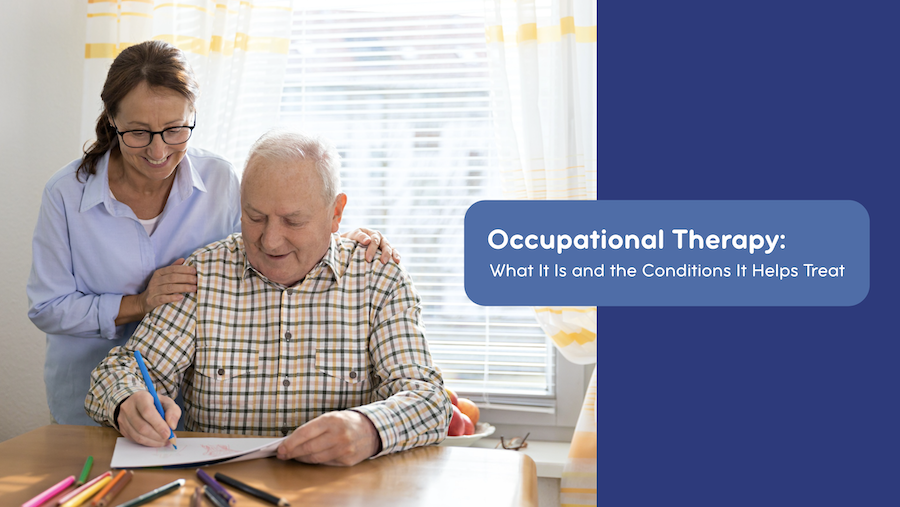
Occupational Therapy: What It Is and the Conditions It Helps Treat
Occupational therapy (OT) is one of the most versatile and impactful healthcare services available, yet many people are unsure what it actually includes. While physical therapy often focuses on movement, strength, and mechanics, occupational therapy helps people regain the skills and abilities they need for everyday life—whether at home, at work, or in the community.
From hand injuries and neurological disorders to memory challenges, developmental delays, and chronic pain, occupational therapists work with individuals of all ages to promote independence, improve function, and enhance quality of life. OT treatment plans are deeply personalized, combining therapeutic exercise, adaptive strategies, education, and meaningful activities that support each patient’s goals.
Below, we explore what occupational therapy is, who it can help, and the most common conditions it effectively treats.
What Is Occupational Therapy?
Occupational therapy helps people participate in the “occupations” of daily life—the activities that bring purpose, routine, and independence. These occupations include:
- Self-care tasks like bathing, dressing, grooming, and eating
- Work duties such as typing, lifting, tool use, or office tasks
- Household responsibilities like cooking, cleaning, and organizing
- Community engagement including shopping, driving, or volunteering
- Hobbies, recreation, and meaningful personal interests
Occupational therapists evaluate how injury, illness, disability, or aging affects a person’s ability to perform these activities. They then develop tailored treatment plans designed to:
- Improve mobility, strength, and coordination
- Restore fine motor skills
- Reduce pain and increase comfort
- Promote healthy cognitive functioning
- Provide adaptive equipment or modifications
- Teach new strategies to improve independence
- Support emotional well-being and confidence
These interventions help patients return to their routines, regain autonomy, and enjoy a better quality of life.
Who Can Benefit From Occupational Therapy?
One of the strengths of occupational therapy is its wide-reaching impact. Children, adults, and older adults can all benefit from OT when everyday activities become difficult due to injury, illness, or developmental factors.
Occupational therapy supports people experiencing:
- Neurological conditions
- Orthopedic injuries
- Chronic pain or weakness
- Developmental delays
- Cognitive or memory challenges
- Work-related injuries
- Difficulty performing daily tasks
- Recovery after surgery or hospitalization
OT is goal-oriented, functional, and adaptable—making it one of the most patient-centered types of rehabilitation.
Conditions Occupational Therapy Helps Treat
Below is a detailed overview of the most commonly treated conditions and how OT helps patients restore function and independence.
1. Neurological Conditions
Occupational therapy plays a key role in rehabilitation after neurological injury or diagnosis. These conditions can severely impact balance, coordination, memory, and motor skills.
Common neurological conditions treated with OT include:
- Stroke
- Traumatic brain injury (TBI)
- Parkinson’s disease
- Multiple sclerosis
- Neuropathy
- Spinal cord injuries
- Dementia and mild cognitive impairment
Occupational therapists help patients relearn essential skills, improve functional mobility, and adapt to new challenges. Treatment may involve:
- Strength and coordination training
- Cognitive and memory exercises
- Home safety modifications
- Adaptive equipment recommendations
- Training in one-handed or compensatory techniques
- Strategies for fatigue management
OT can greatly improve independence and quality of life following neurological events.
2. Hand, Wrist, and Upper Extremity Injuries
Because OT focuses heavily on fine motor function, it is one of the most effective treatments for hand and upper extremity conditions.
These may include:
- Carpal tunnel syndrome
- Tendonitis and repetitive strain injuries
- Arthritis
- Trigger finger
- Fractures or joint dislocations
- Tendon or nerve repairs
- Post-surgical recovery
- Grip and dexterity impairments
OT helps by providing:
- Range-of-motion and strengthening exercises
- Soft tissue and scar management
- Custom splinting
- Dexterity training
- Joint protection techniques
- Ergonomic education
- Pain-reduction strategies
Restoring hand and arm function is essential for independence, making OT an important part of upper extremity recovery.
3. Chronic Pain and Musculoskeletal Conditions
Daily tasks can become overwhelming when pain limits mobility or endurance. Occupational therapists help individuals with chronic pain learn to move safely, reduce strain, and maintain activity.
Examples include:
- Chronic back or neck pain
- Fibromyalgia
- Joint pain or stiffness
- Muscle weakness or imbalance
- Postural dysfunction
OT can provide:
- Body mechanics training
- Activity modification and pacing strategies
- Gentle exercise and mobility work
- Heat, cold, or manual techniques
- Ergonomic recommendations
- Energy conservation strategies
These interventions help patients manage pain while continuing to participate in meaningful daily activities.
4. Developmental Delays and Pediatric Conditions
Children also benefit significantly from occupational therapy, especially if they experience delays in motor, sensory, or social development.
OT supports children with:
- Developmental coordination disorder
- Sensory processing challenges
- Autism spectrum disorder
- Fine motor delays
- Behavioral or emotional regulation difficulties
- Feeding challenges
- Learning-related skill deficits
- Handwriting concerns
Pediatric OT uses structured, purposeful play to help children build essential skills such as:
- Hand-eye coordination
- Self-care independence
- Sensory regulation
- Social participation
- Attention and focus
- Emotional management
Early intervention can dramatically improve outcomes as children grow.
5. Cognitive and Memory Impairments
Cognitive decline affects the ability to plan, remember, organize, and complete daily tasks. Occupational therapists help individuals maintain independence and safety while supporting caregivers.
Conditions may include:
- Early-stage dementia
- Mild cognitive impairment
- Post-concussion symptoms
- Memory deficits after illness or injury
OT strategies often include:
- Memory training programs
- Environmental modifications
- Routine development
- Safety planning
- Adaptive equipment
- Techniques to reduce confusion and improve organization
These tools help individuals stay engaged, independent, and safe.
6. Post-Surgical and Post-Hospitalization Recovery
After surgery, hospitalization, or extended illness, patients may struggle with weakness, decreased endurance, and difficulty completing daily tasks.
OT is essential for recovery after:
- Joint replacement
- Orthopedic surgery
- Cardiac or pulmonary hospitalization
- Major illness or deconditioning
Treatment focuses on:
- Rebuilding strength and endurance
- Improving mobility and self-care abilities
- Home safety and fall-prevention strategies
- Training with adaptive equipment
- Energy conservation techniques
This comprehensive support helps patients safely return to their routines.
7. Mental Health and Emotional Well-Being
Occupational therapists are also trained in mental health and psychosocial support. Difficulty engaging in daily routines or meaningful activities can be both a cause and a symptom of emotional stress.
OT can help individuals dealing with:
- Anxiety
- Depression
- Stress or burnout
- Difficulty managing routines
- Social participation challenges
Therapists incorporate activity-based interventions, coping strategies, and realistic goal-setting to help individuals build confidence, structure, and resilience.
What to Expect During Occupational Therapy
A typical OT evaluation includes:
- Review of medical and daily activity history
- Pain, strength, mobility, and cognition assessments
- Functional assessment of daily tasks
- Discussion of personal goals and challenges
Treatment may include:
- Strengthening and mobility work
- Fine motor training
- Cognitive or sensory exercises
- Manual therapy or soft tissue work
- Adaptive equipment training
- Home modification recommendations
- Task-specific practice
- Education and lifestyle guidance
Every plan is tailored to help the patient safely and confidently perform daily activities.
When to Seek Help
You may benefit from occupational therapy if you experience:
- Difficulty with daily tasks like dressing, cooking, or bathing
- Hand, wrist, or arm pain
- Weakness or limited mobility
- Cognitive or memory decline
- Stroke, TBI, or neurological conditions
- Chronic pain
- Developmental delays in children
- Difficulty managing work duties or fine motor tasks
- Reduced independence after illness or surgery
OT can be the key to restoring comfort, safety, and independence.
About CIP Rehabilitation
CIP Rehabilitation is a leading provider of physical, occupational, and speech therapy services throughout Northeast and Central Pennsylvania. Our dedicated occupational therapists help patients regain independence, restore function, and confidently participate in everyday activities—at home, at work, and in the community.
Whether you’re recovering from injury, managing a neurological condition, or supporting a loved one with cognitive changes, our team provides one-on-one, evidence-based care tailored to your goals.
We are committed to helping every patient live healthier, safer, and more independently.
Schedule Your Occupational Therapy Appointment
If everyday activities are becoming challenging, or if you’re recovering from injury or illness, occupational therapy can help you regain mobility, strength, and confidence.
Call today to schedule an evaluation:
📞 570-255-4578
Visit our website to learn more or request an appointment online:
🌐 ciprehab.com
Take the next step toward greater independence—CIP Rehabilitation is here to support your journey.